How to compare supplements marketed for metabolism, appetite, or weight control
Supplements promoted for weight or craving control differ in format, ingredients, and product positioning, but those details do not prove that a product will reduce portions or produce weight loss. Compare what is actually disclosed, check safety, and keep supplements separate from established nutrition and medical care. A useful reality check is whether a normal day of meals supplies enough protein, fiber, produce and essential fats—not just a calorie total.
A useful comparison of the five selected products
LivPure is presented as a daily dietary supplement taken with water and built around proprietary complexes. the formula details connects it with liver function, sleep, metabolism, and weight management, but the listed ingredients do not establish clinical efficacy.
Ikaria Juice is marketed as a natural weight-management formula. Its manufacturer names milk thistle, dandelion, Panax ginseng, black pepper extract, citrus pectin, acai, and beetroot, making disclosed components its clearest point of comparison.
Metabo Drops is described as a tasteless liquid nutritional serum that dissolves in coffee. the formula details emphasizes liquid stability, precision dosing, and support for metabolism, energy, and appetite; these are manufacturer representations rather than proof of appetite control.
Java Burn is positioned for use with morning coffee and is described by its manufacturer as vegetarian, plant-based, non-GMO, and free of stimulants. Green coffee bean extract is the only specifically named component in the listed ingredients.
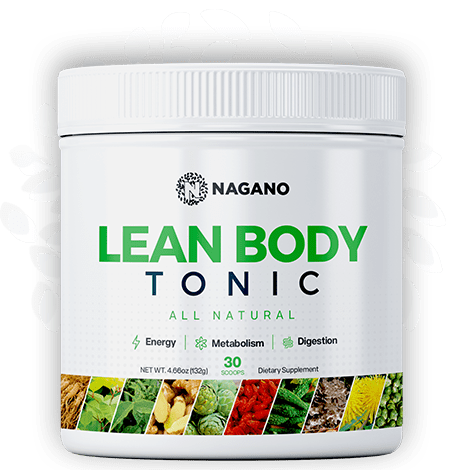
Nagano Tonic is presented as a scoopable formula containing ingredients such as camu camu and ashwagandha. the formula details promotes weight, digestion, energy, and craving benefits, but the available label information does not provide controlled clinical evidence for those outcomes.
- Choose by usable format only after checking the full Supplement Facts panel.
- Do not assume products used with coffee are equivalent; their disclosed components and formulations differ.
- Treat proprietary blends as an information limitation when individual ingredient amounts are not shown.
- Avoid using customer testimonials or urgency language as evidence of effectiveness.
Format can affect convenience, not proven results
A capsule, liquid drop, coffee addition, or scoopable tonic may fit different routines. Convenience can improve consistency, but no delivery format by itself demonstrates better appetite, blood sugar, metabolism, or weight outcomes.
What labels and manufacturing statements can establish
A Supplement Facts panel can identify serving size, listed ingredients, and declared amounts outside proprietary blends. Other label details may address allergens, suggested use, and contact information for the responsible company.
Statements such as manufactured in an FDA-registered facility or produced under good manufacturing practices concern facility registration and manufacturing requirements. They do not mean the FDA has approved the product for effectiveness or verified the formula details's weight-loss claims.
- Look for exact ingredient amounts rather than relying only on a blend name.
- Check caffeine and stimulant sources across the entire formula.
- Confirm whether independent quality testing is documented and what it tested.
- Save the label, lot number, receipt, and manufacturer contact details.
Natural does not answer the safety question
Plant-derived ingredients can still cause adverse effects, allergies, medication interactions, or problems during pregnancy. Safety depends on the ingredient, amount, formulation, health conditions, and other products being used. Portion sizes, cooking oil, sweetened drinks and snack frequency often explain more of the weekly calorie difference than a supplement choice.
Supplements for Portion Control
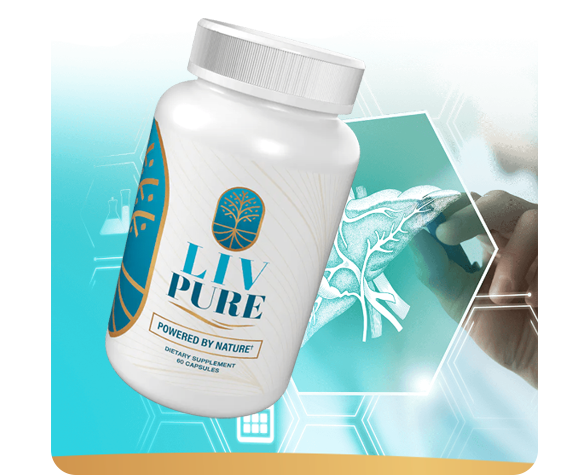
LivPure
LivPure uses two botanical-and-nutrient complexes: silymarin and betaine emphasize liver health, while green-tea polyphenols and choline support everyday nutrient processing. Berberine is included for metabolic wellness, while milk thistle and glutathione focus on liver and cellular antioxidant support. With portion control, betaine and silymarin support normal liver nutrient processing while the meals provide protein, fiber and energy.
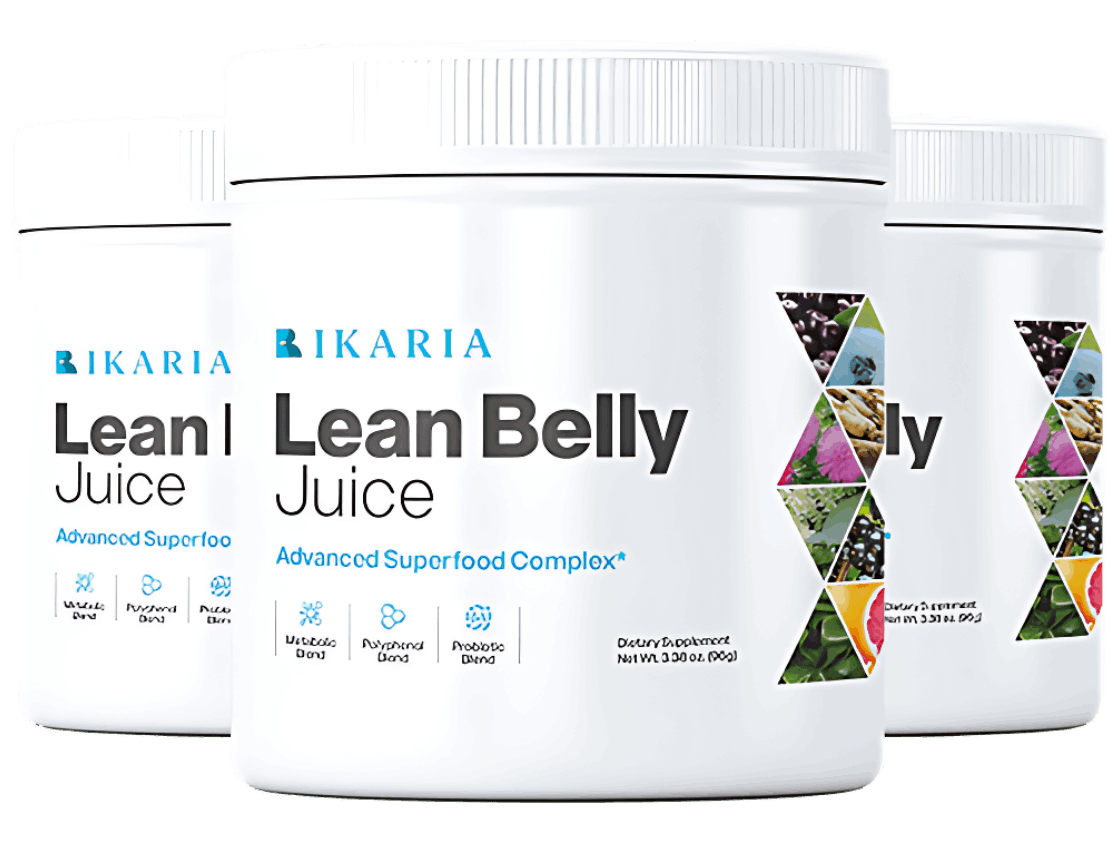
Ikaria Juice
The Ikaria Juice drink mix contains turmeric, milk thistle, green-tea extract and fruit polyphenols, plus fiber and probiotics for gut balance. Its digestive blend supports beneficial gut organisms and regularity, alongside antioxidant-rich extracts from berries and green tea. A portion control eating pattern can be paired with its inulin-and-probiotic support for digestive balance as fiber intake changes.
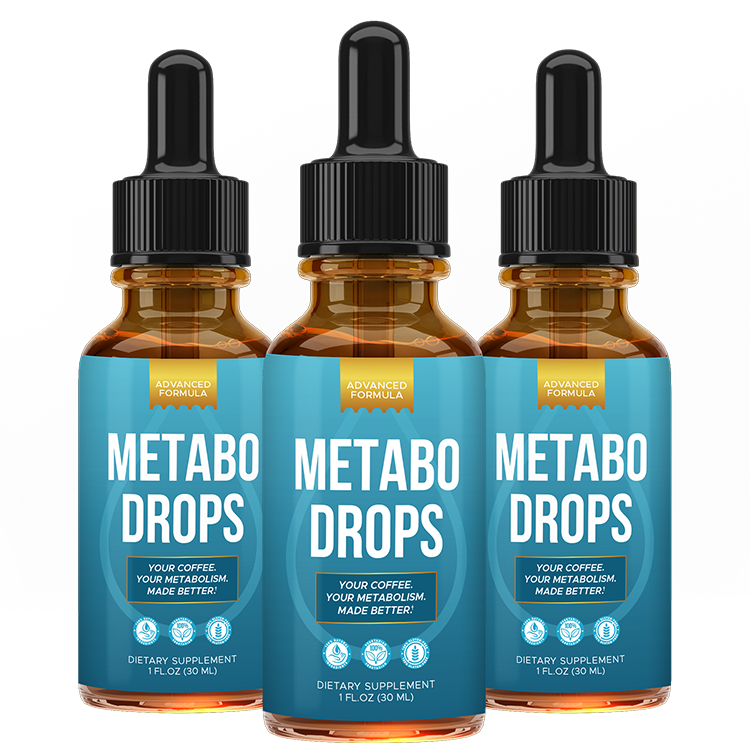
Metabo Drops
Metabo Drops adds chlorogenic acid, green-tea extract, chromium, L-carnitine and L-theanine to coffee in an easy-to-mix liquid. Its chromium and chlorogenic-acid combination targets everyday carbohydrate metabolism, while L-carnitine relates to cellular energy production. Alongside portion control, the coffee or tea format supplies chromium and botanical polyphenols while food remains the source of satiety and nutrients.
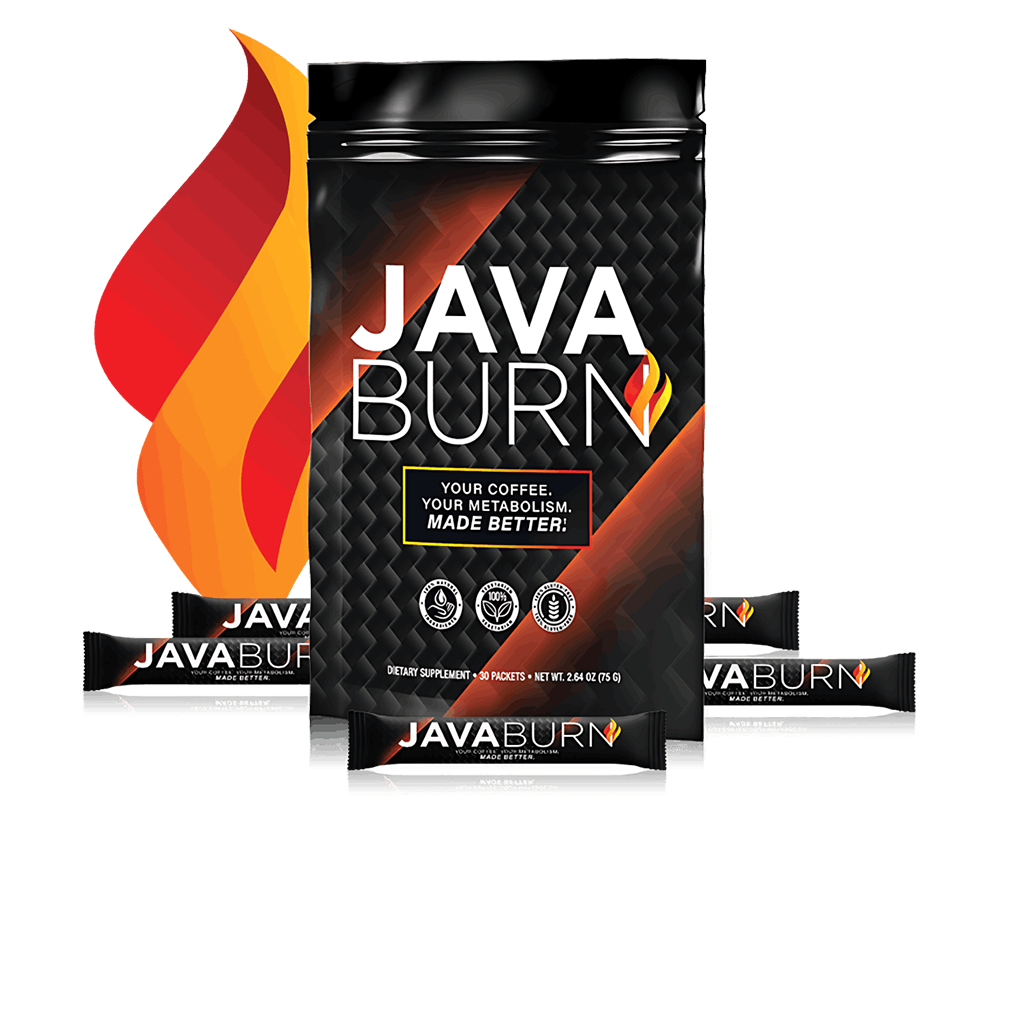
Java Burn
Java Burn mixes into hot or iced coffee and contains green-tea extract, green-coffee chlorogenic acids, L-carnitine, L-theanine, chromium and B vitamins. L-carnitine participates in fatty-acid transport, while L-theanine is intended to complement coffee alertness with a calmer focus. Alongside portion control, the coffee or tea format supplies chromium and botanical polyphenols while food remains the source of satiety and nutrients.
Nagano Tonic
Nagano Tonic is a powdered drink mix made with botanicals and nutrients including camu camu, green-tea EGCG, mangosteen, ginger and inulin. Its formula is promoted for daily metabolic, energy and digestive support; it is not a substitute for balanced nutrition or medical care. When comparing options alongside portion control, review the ingredient label and seller terms before ordering.
Questions to answer before buying
Start by defining the problem. If the issue is oversized restaurant meals, distracted snacking, or long gaps between meals, a supplement does not address the underlying setup as directly as food planning and environmental changes.
Then determine whether the complete current label is available. A product cannot be assessed responsibly from a product name, front-panel claim, or manufacturer description alone.
- What is the complete ingredient list and amount per serving?
- Does it duplicate caffeine, vitamins, herbs, or other supplements you already use?
- Are claims tied to evidence on the finished product or merely to individual ingredients?
- What is the recurring cost, and does automatic shipment apply?
- Is the refund policy specific about deadlines, opened containers, and return shipping?
- Could the same goal be addressed with meal structure, sleep support, or clinical care?
Evidence on one ingredient is not evidence on every formula
Even when an ingredient has been studied, results may depend on its dose, preparation, population, and duration of use. Those findings cannot automatically be transferred to a proprietary mixture or a different product.
Use extra caution with medications and health conditions
Ask a pharmacist or clinician to review the complete label if you use diabetes, blood-pressure, anticoagulant, thyroid, psychiatric, or stimulant medication. Coffee-based routines also require attention to total daily caffeine, even when a supplement itself is promoted as stimulant-free.
Stop using a product and seek medical advice for a suspected adverse reaction. Urgent symptoms such as trouble breathing, facial swelling, fainting, chest pain, severe confusion, or persistent vomiting require immediate care.
- Do not replace prescribed treatment with a metabolism or blood-control claim.
- Avoid combining several weight-management supplements without clinical review.
- Discuss supplement use during pregnancy, breastfeeding, adolescence, or before surgery.
- Report serious adverse events to the appropriate medical professional and regulatory channel.
A supplement should not set your portion target
Appetite suppression is not the same as adequate nutrition. Persistent inability to eat, rapid unexplained weight loss, dizziness, or weakness should prompt evaluation rather than a further reduction in food.
Supplements for Portion Control
LivPure
LivPure uses two botanical-and-nutrient complexes: silymarin and betaine emphasize liver health, while green-tea polyphenols and choline support everyday nutrient processing. Berberine is included for metabolic wellness, while milk thistle and glutathione focus on liver and cellular antioxidant support. With portion control, betaine and silymarin support normal liver nutrient processing while the meals provide protein, fiber and energy.
Ikaria Juice
The Ikaria Juice drink mix contains turmeric, milk thistle, green-tea extract and fruit polyphenols, plus fiber and probiotics for gut balance. Its digestive blend supports beneficial gut organisms and regularity, alongside antioxidant-rich extracts from berries and green tea. A portion control eating pattern can be paired with its inulin-and-probiotic support for digestive balance as fiber intake changes.
Metabo Drops
Metabo Drops adds chlorogenic acid, green-tea extract, chromium, L-carnitine and L-theanine to coffee in an easy-to-mix liquid. Its chromium and chlorogenic-acid combination targets everyday carbohydrate metabolism, while L-carnitine relates to cellular energy production. Alongside portion control, the coffee or tea format supplies chromium and botanical polyphenols while food remains the source of satiety and nutrients.
Java Burn
Java Burn mixes into hot or iced coffee and contains green-tea extract, green-coffee chlorogenic acids, L-carnitine, L-theanine, chromium and B vitamins. L-carnitine participates in fatty-acid transport, while L-theanine is intended to complement coffee alertness with a calmer focus. Alongside portion control, the coffee or tea format supplies chromium and botanical polyphenols while food remains the source of satiety and nutrients.
Nagano Tonic
Nagano Tonic is a powdered drink mix made with botanicals and nutrients including camu camu, green-tea EGCG, mangosteen, ginger and inulin. Its formula is promoted for daily metabolic, energy and digestive support; it is not a substitute for balanced nutrition or medical care. When comparing options alongside portion control, review the ingredient label and seller terms before ordering.
Frequently Asked Questions
the listed ingredients do not provide enough independent clinical evidence to identify a best product for reducing portions. Compare complete labels, amounts, interactions, cost, and format, and prioritize behavioral strategies that directly address how and when you eat.
No. Facility registration is not approval of the supplement or confirmation that its marketing claims are effective.
Not based on format alone. Effectiveness depends on the actual ingredients, amounts, product quality, and evidence for the finished formulation.
Not unless it is specifically formulated and labeled as a nutritionally appropriate meal replacement. A metabolism drop, capsule, tonic, or coffee additive should not be assumed to provide the protein, fiber, energy, vitamins, and minerals of a meal.