How to estimate useful portions when measuring tools are not available
Portion estimates should be quick enough to use in everyday life and flexible enough to accommodate different appetites. Visual guides can provide a starting point, while hunger, activity, and the composition of the meal determine whether you need more or less. Portion sizes, cooking oil, sweetened drinks and snack frequency often explain more of the weekly calorie difference than a supplement choice.
Use your hand as a portable reference
Your hand is convenient and roughly scales with body size, but hand portions are estimates rather than precise nutrition measurements. Begin with one reference portion from each food group and adjust based on your needs and the rest of the meal.
A palm can approximate a portion of cooked protein, a fist can represent a serving of fruit or cooked starch, a cupped hand can hold a snack-sized portion, and a thumb can approximate a small amount of spread or dressing.
- Palm: fish, chicken, tofu, or another protein food.
- Fist: cooked rice, pasta, potato, fruit, or a compact vegetable portion.
- Cupped hand: nuts, crackers, cereal, or other loose snack foods.
- Thumb: nut butter, mayonnaise, oil-based dressing, or similar concentrated additions.
Why the hand guide has limits
Foods differ widely in density, and a palm of leafy vegetables is not nutritionally equivalent to a palm of cheese. Use the guide to create consistency, not to claim precision or to ignore the Nutrition Facts label.
Read multi-serving packages correctly
Start with the serving size and servings per container at the top of the Nutrition Facts panel. Then compare the amount you plan to eat with that reference.
If the label lists four servings and you consume half the package, multiply each listed nutrient by two. The same calculation applies to calories, protein, sodium, saturated fat, carbohydrate, and added sugar.
- Look for dual-column labels that show both one serving and the full package.
- Measure once if the package description, such as a number of pieces, seems unclear.
- Do not assume a small bottle or pouch contains only one serving.
- Use label portions to compare similar products on an equal basis.
Single-use packaging is not always single-serving
Packaging design can imply that an item is meant to be finished at once. The servings-per-container line is the more reliable place to check. Portion sizes, cooking oil, sweetened drinks and snack frequency often explain more of the weekly calorie difference than a supplement choice.
Recommended Products
Plan snacks that solve a specific problem
A snack can bridge a long interval between meals, fuel activity, or prevent arriving at dinner extremely hungry. It does not need to be tiny, but it should have a purpose and a defined amount.
Combining carbohydrate with protein, fat, or fiber often produces a more substantial snack than eating a refined carbohydrate alone.
- Fruit with yogurt or a measured portion of nuts.
- Vegetables with hummus.
- Whole-grain crackers with cheese or tuna.
- Toast with egg or nut butter.
- A planned portion of a favorite snack alongside a more filling food.
Separate hunger from habit
If a snack happens automatically during television or commuting, plate it before starting the activity. You may still choose to eat it, but the portion becomes visible instead of open-ended.
Handle restaurant portions without turning dinner into math
Restaurant entrées are prepared for consistency and presentation, not for your individual energy needs. Scan the menu for side choices, preparation methods, and opportunities to customize before deciding how much to eat.
You can share a dish, order an appetizer with a vegetable side, request sauces separately, or save part of an entrée. None of these tactics requires labeling a food as forbidden.
- Avoid arriving ravenously; eat normally earlier in the day.
- Decide whether the entrée, appetizer, or dessert matters most to you.
- Pause midway and check comfort rather than relying on an empty plate.
- Take leftovers only when they can be refrigerated promptly and transported safely.
Buffets and celebrations
Survey the available foods before serving yourself. Choose the items you most want, leave room between foods so amounts remain visible, and return for more only after giving yourself time to assess hunger.
Supplements for Portion Control

LivPure
LivPure combines milk-thistle silymarin, betaine, berberine and glutathione with green-tea compounds to support normal liver function and fat metabolism. Choline and betaine support normal lipid metabolism, giving LivPure a liver-centered approach to weight-management wellness. With portion control, betaine and silymarin support normal liver nutrient processing while the meals provide protein, fiber and energy.
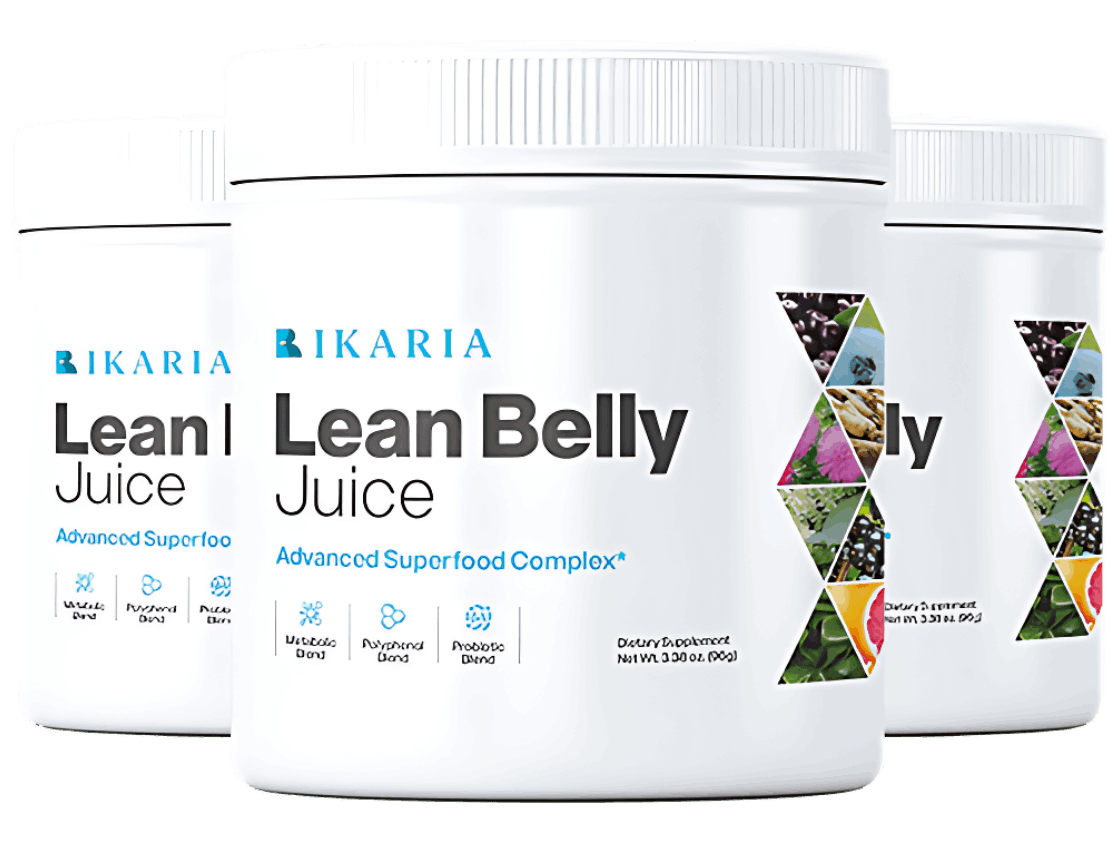
Ikaria Juice
Ikaria Juice approaches weight-management wellness through botanical antioxidants, citrus pectin and an inulin-and-probiotic digestive blend. The combination of probiotic cultures, prebiotic fiber and botanical polyphenols targets gut comfort and everyday metabolic health. A portion control eating pattern can be paired with its inulin-and-probiotic support for digestive balance as fiber intake changes.
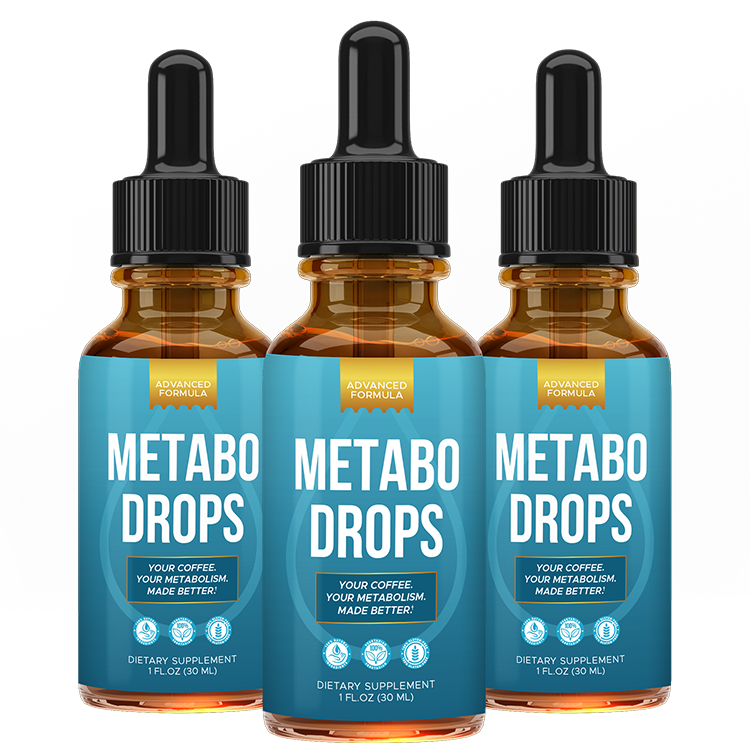
Metabo Drops
Metabo Drops adds chlorogenic acid, green-tea extract, chromium, L-carnitine and L-theanine to coffee in an easy-to-mix liquid. The coffee-mix approach aims to support metabolic efficiency and steady daytime energy, with L-theanine helping balance alertness. Alongside portion control, the coffee or tea format supplies chromium and botanical polyphenols while food remains the source of satiety and nutrients.
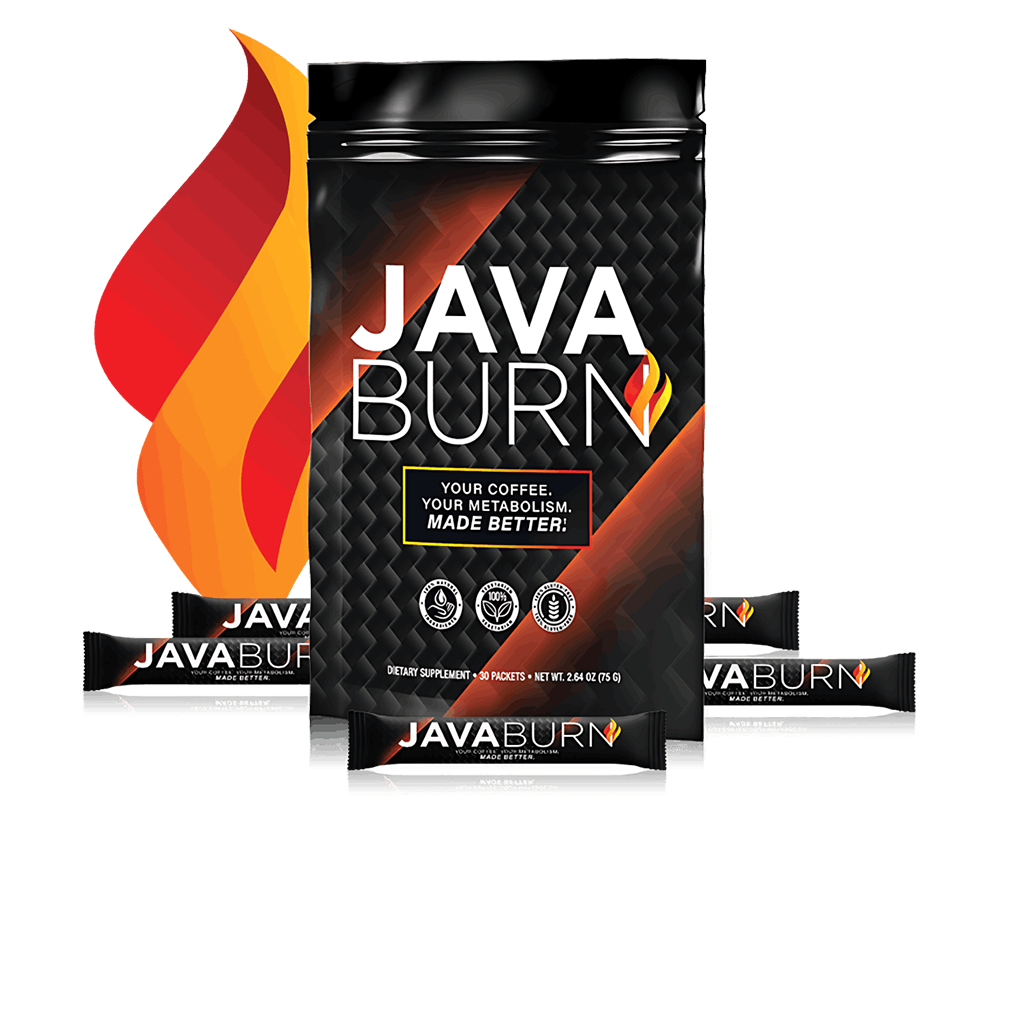
Java Burn
Java Burn combines green tea catechins and chlorogenic acids with chromium, L-carnitine and L-theanine in a single-serving coffee powder. Chromium and B vitamins contribute to normal nutrient and energy metabolism; the green-tea and green-coffee extracts add polyphenols. Alongside portion control, the coffee or tea format supplies chromium and botanical polyphenols while food remains the source of satiety and nutrients.
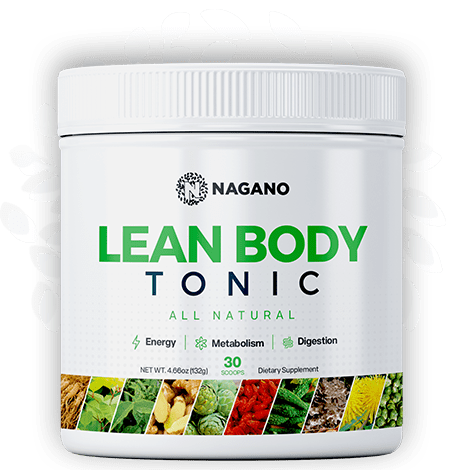
Nagano Tonic
Nagano Tonic is a powdered drink mix made with botanicals and nutrients including camu camu, green-tea EGCG, mangosteen, ginger and inulin. Its formula is promoted for daily metabolic, energy and digestive support; it is not a substitute for balanced nutrition or medical care. When comparing options alongside portion control, review the ingredient label and seller terms before ordering.
Frequently Asked Questions
They are practical estimates, not exact measurements. They work best for building a balanced plate when measuring tools are unavailable.
There is no universal amount. A half-vegetable, quarter-protein, quarter-starch pattern is a useful starting structure, but total quantity should reflect hunger, activity, body size, health needs, and meal frequency. The food itself should provide meaningful protein and fiber, not only a low calorie count.
No, but it makes the amount harder to see. If you tend to eat past comfort, place the amount you want in a bowl and put the package away first.