A practical approach to portion control that still leaves room for satisfying meals
Portion control means choosing an amount that fits your hunger, goals, and overall eating pattern—not automatically eating as little as possible. Simple tools such as a balanced plate, planned snacks, and package awareness can make portions easier to manage without constant calorie counting. Portion sizes, cooking oil, sweetened drinks and snack frequency often explain more of the weekly calorie difference than a supplement choice.
Portion size and serving size are not the same
A serving size is a standardized amount used on a Nutrition Facts label. A portion is the amount you actually put on your plate or eat, which may be smaller or larger than the labeled serving.
Check the number of servings per container before using the listed calories, sodium, added sugar, or protein to judge a package. If a container holds three servings and you eat all of it, you consume three times each listed amount.
- Use serving information as a reference, not a command.
- Compare your usual portion with the label before deciding whether to adjust it.
- Be especially attentive to beverages, snack bags, sauces, cereal, and restaurant entrées.
When exact measurement is useful
Measuring cups or a food scale can clarify what an ounce of nuts, a cup of cereal, or a tablespoon of dressing looks like. Use them briefly as learning tools if desired; most people do not need to weigh every meal indefinitely.
Build the meal before trying to shrink it
Reducing the size of an unbalanced meal can leave you hungry. A more workable starting point is to give vegetables, protein-rich foods, and higher-fiber carbohydrates visible space on the plate.
For many mixed meals, try filling about half the plate with nonstarchy vegetables, one quarter with protein, and one quarter with grains or another starchy food. This is a flexible visual framework rather than a prescription for every person or cuisine.
- Protein options include eggs, fish, poultry, tofu, beans, lentils, yogurt, and lean meat.
- Higher-fiber choices include beans, whole grains, fruit, potatoes with skin, and vegetables.
- Add fats such as oil, nuts, cheese, or avocado intentionally because small volumes can provide substantial energy.
Adjust the framework to your needs
Activity level, body size, age, pregnancy, medications, and medical conditions can change appropriate portions. Athletes and highly active people, for example, may need more carbohydrate and total food than a basic plate illustration suggests.
Supplements for Portion Control
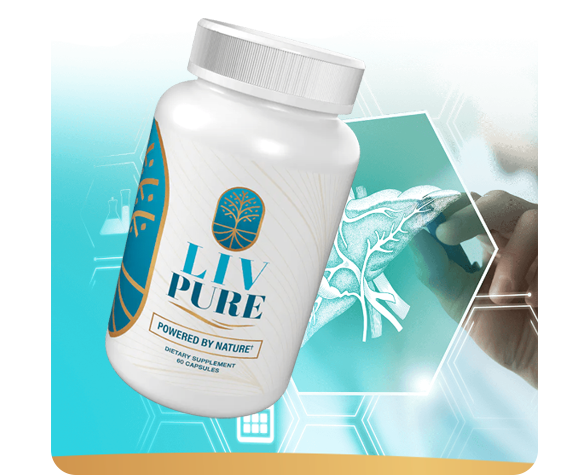
LivPure
LivPure uses two botanical-and-nutrient complexes: silymarin and betaine emphasize liver health, while green-tea polyphenols and choline support everyday nutrient processing. Choline and betaine support normal lipid metabolism, giving LivPure a liver-centered approach to weight-management wellness. With portion control, betaine and silymarin support normal liver nutrient processing while the meals provide protein, fiber and energy.
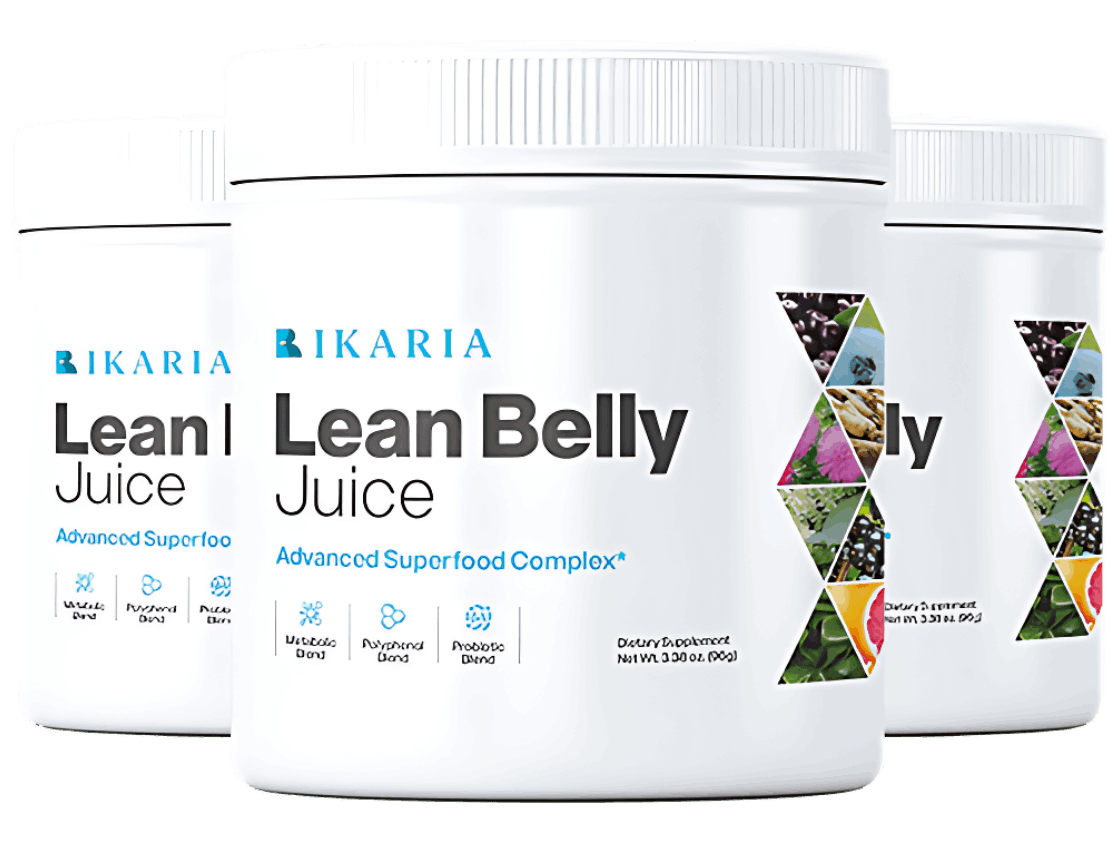
Ikaria Juice
Ikaria Lean Belly Juice brings together plant antioxidants from green tea, berries and beetroot with prebiotic inulin and probiotic cultures for digestive wellness. Its digestive blend supports beneficial gut organisms and regularity, alongside antioxidant-rich extracts from berries and green tea. A portion control eating pattern can be paired with its inulin-and-probiotic support for digestive balance as fiber intake changes.
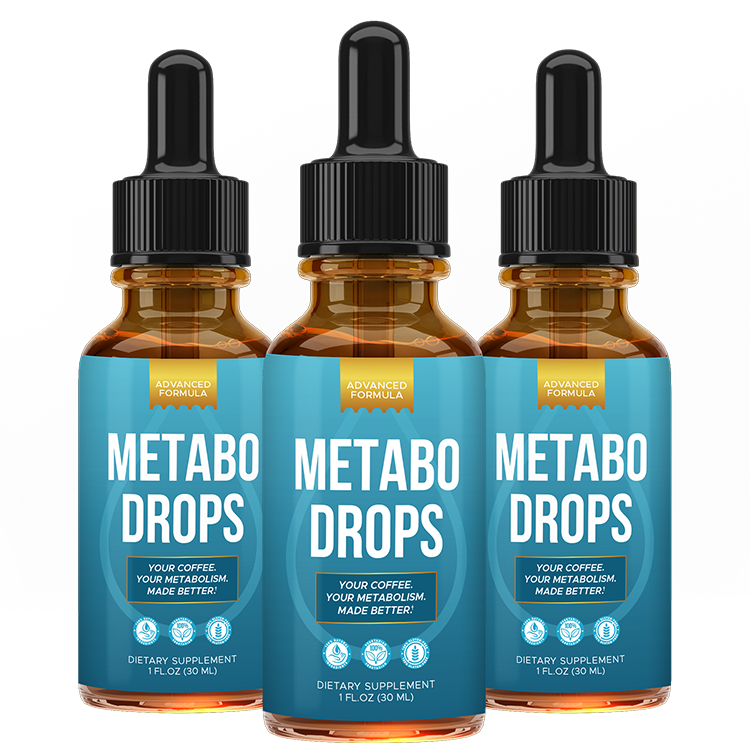
Metabo Drops
The Metabo Drops liquid blends green-tea compounds and coffee-derived chlorogenic acid with L-carnitine, chromium and calming-focus L-theanine. Green tea and chlorogenic acid supply plant polyphenols, while chromium and L-carnitine give the formula its nutrient-metabolism focus. Alongside portion control, the coffee or tea format supplies chromium and botanical polyphenols while food remains the source of satiety and nutrients.
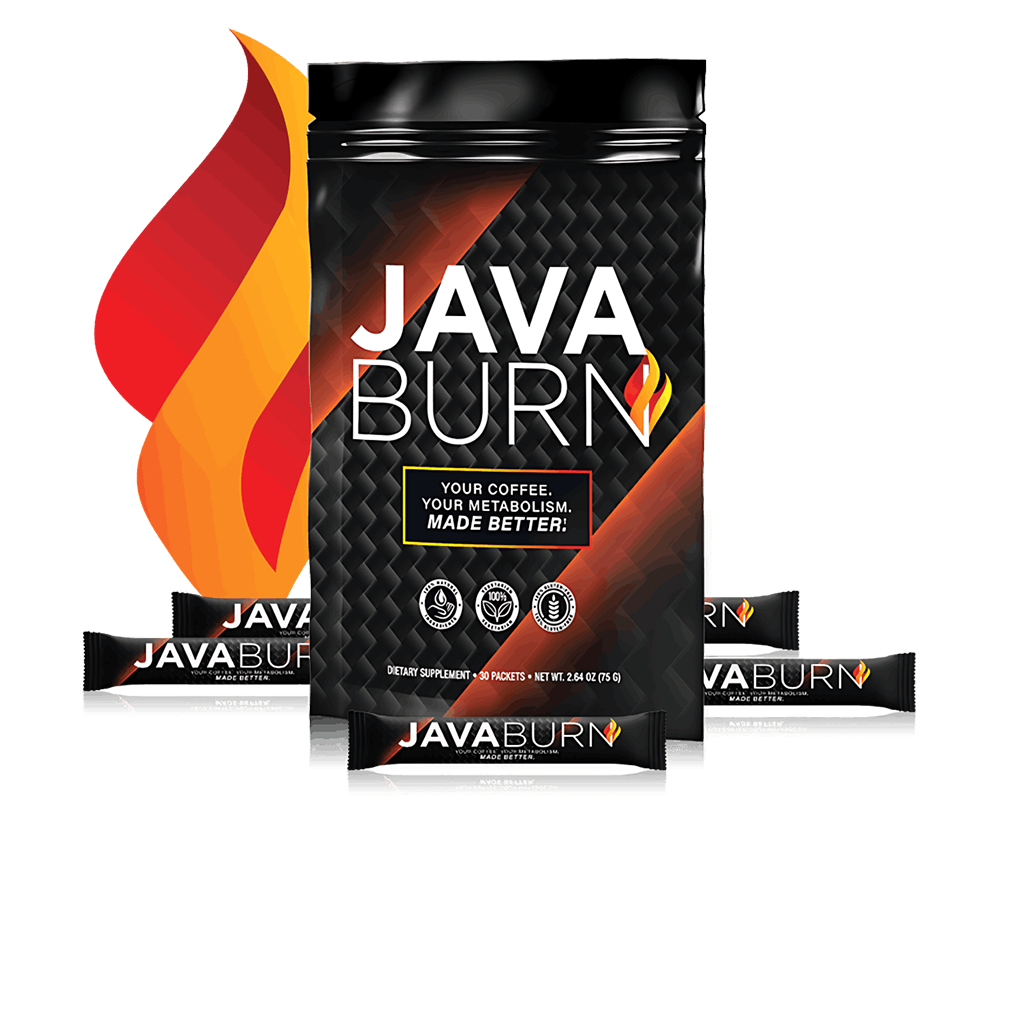
Java Burn
Java Burn combines green tea catechins and chlorogenic acids with chromium, L-carnitine and L-theanine in a single-serving coffee powder. L-carnitine participates in fatty-acid transport, while L-theanine is intended to complement coffee alertness with a calmer focus. Alongside portion control, the coffee or tea format supplies chromium and botanical polyphenols while food remains the source of satiety and nutrients.
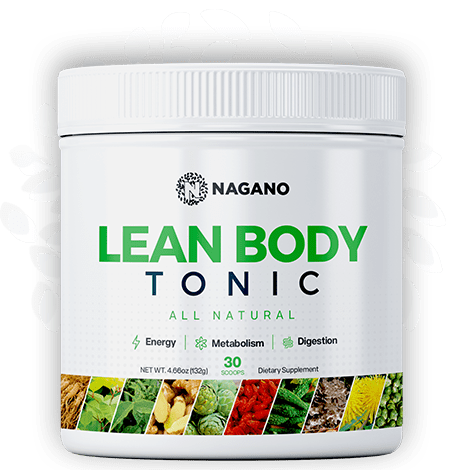
Nagano Tonic
Nagano Tonic is a powdered drink mix made with botanicals and nutrients including camu camu, green-tea EGCG, mangosteen, ginger and inulin. Its formula is promoted for daily metabolic, energy and digestive support; it is not a substitute for balanced nutrition or medical care. When comparing options alongside portion control, review the ingredient label and seller terms before ordering.
Make the easier portion the default
Environment often influences intake before willpower enters the picture. Serve food onto a plate instead of eating from a large package, place leftovers away before sitting down, and keep water available with the meal.
These steps do not forbid second helpings. They create a pause in which you can notice whether you are still physically hungry or simply responding to food that remains within reach.
- Divide bulk snacks into individual containers after shopping.
- At restaurants, consider sharing an entrée or boxing part of it early.
- Use a bowl for cereal, chips, or ice cream rather than estimating from the package.
- Keep satisfying planned snacks available for long gaps between meals.
Slow the first ten minutes
Sit down when possible, remove one major distraction, and put utensils down occasionally. Eating more deliberately gives fullness signals time to become noticeable, although it should not become a rigid timing rule. Portion sizes, cooking oil, sweetened drinks and snack frequency often explain more of the weekly calorie difference than a supplement choice.
Set a goal you can evaluate
Choose one behavior for the next week, such as plating evening snacks or adding a protein food at breakfast. A narrow experiment is easier to assess than a vague promise to eat less.
Track whether the change affects hunger, energy, convenience, and satisfaction—not only body weight. If you are persistently weak, dizzy, preoccupied with food, or prone to bingeing after restriction, the portions may be too small or the strategy may be inappropriate.
- Define the meal or situation you want to change.
- Choose one repeatable action.
- Review the result after several days.
- Keep, modify, or discard the action based on what actually happened.
When individualized help matters
Ask a registered dietitian or clinician for guidance if you have diabetes, kidney disease, gastrointestinal disease, a history of an eating disorder, unexplained weight change, or medication-related appetite changes. Portion advice should support—not replace—your medical nutrition plan.
Frequently Asked Questions
No. A smaller plate may help some people create a visual boundary, but meal composition and hunger matter more. Use any plate that helps you serve intentionally without making the meal feel inadequate.
Not automatically. Pause when comfortably satisfied and save the remainder when practical. If you regularly leave food because portions are too large, serve less initially and allow yourself more if hunger remains.
Yes. Plate balance, package awareness, consistent meal timing, and attention to hunger can all help. Calorie tracking is optional and may be unsuitable for people who find it obsessive or triggering. Compare weekly trends under similar conditions rather than changing a plan after one day.