Manage cravings by addressing hunger, habits, sleep, and food availability
A craving is a strong desire for a particular food, while physical hunger is usually open to several food choices. The two can occur together, so effective craving control often starts with adequate meals rather than stricter restriction. Plan the foods you can repeat on a busy weekday before buying products that promise to make the eating plan effortless.
Identify what is driving the urge to eat
Before responding, ask when you last ate, what the meal contained, and whether several foods sound acceptable. Gradual hunger accompanied by low energy or stomach sensations is different from a sudden urge tied to one taste, place, or activity.
This distinction is not a test you must pass before eating. It simply helps you choose between a meal, a substantial snack, a planned portion of the desired food, or a nonfood response to stress or boredom.
- Physical hunger often builds gradually and improves after a balanced meal.
- A craving may appear suddenly and focus on a specific flavor or texture.
- Habit-driven eating often occurs at the same time or in the same setting.
- Medication effects, sleep loss, stress, and restrictive dieting can intensify appetite.
Use a brief check, not a prolonged delay
A short pause can clarify the need, but repeatedly postponing food when you are hungry can increase urgency and lead to overeating later.
Prevent rebound hunger
Meals built mostly from low-volume diet products or refined carbohydrates may not remain satisfying. Include a protein source, a fiber-rich food, and enough total food to carry you reasonably close to the next planned eating time.
Skipping breakfast is comfortable for some adults, while others become excessively hungry later. Judge a meal schedule by energy, concentration, evening eating patterns, and medical needs rather than by a universal rule.
- Keep portable options such as fruit, nuts, shelf-stable milk, tuna packets, or whole-grain crackers available.
- Plan food before errands or travel if meals are likely to be delayed.
- Avoid compensating for a large meal by severely restricting the next day.
- Drink water regularly, but do not use fluids to suppress genuine hunger.
Tea, shakes, and appetite-control products
Unsweetened tea can be an enjoyable beverage, and a nutritionally complete shake may be convenient in some situations. Neither automatically controls appetite, and stimulant-heavy products may cause jitteriness, sleep disruption, or interactions.
Recommended Products
Respond to a specific craving deliberately
If you want a particular food, banning it can make it more mentally prominent. Serve a defined amount, sit down, and eat it attentively; pairing it with a meal or filling snack can make satisfaction easier to recognize.
If the urge is linked to an emotion rather than hunger, food can still be a conscious choice. It also helps to develop another response—such as calling someone, taking a short walk, changing rooms, or addressing the stressful task—so food is not the only available tool.
- Name the food or experience you want.
- Choose an amount before beginning.
- Remove the remaining package from immediate reach.
- Reassess after eating without labeling the choice as good or bad.
Modify recurring triggers
If the same situation repeatedly leads to uncomfortable overeating, change one feature of it. Examples include eating dinner before television, storing snacks outside the workspace, or bringing an afternoon snack to prevent intense hunger during the commute. Portion sizes, cooking oil, sweetened drinks and snack frequency often explain more of the weekly calorie difference than a supplement choice.
Know when cravings need clinical attention
Frequent loss-of-control eating, eating unusually large amounts in distress, secretive eating, purging, or severe food restriction deserves professional evaluation. These experiences are not failures of portion-control technique.
New or intense appetite changes can also occur with pregnancy, endocrine conditions, mood disorders, sleep problems, or medications. Contact a clinician when the change is persistent, unexplained, or accompanied by symptoms such as excessive thirst, frequent urination, weakness, or rapid weight change.
- Seek urgent help for fainting, confusion, severe weakness, or signs of a medical emergency.
- Tell a prescriber if appetite changed after starting or changing a medication.
- Ask for an eating-disorder-informed clinician if tracking and portion rules increase anxiety or compulsive behavior.
Blood sugar considerations
People taking insulin or medications that can cause low blood sugar should not delay or reduce meals without guidance. Portion strategies must be coordinated with medication, glucose monitoring, activity, and the individualized care plan.
Supplements for Portion Control
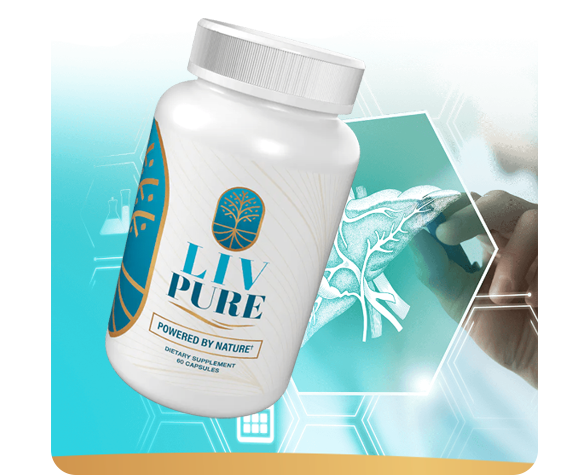
LivPure
LivPure uses two botanical-and-nutrient complexes: silymarin and betaine emphasize liver health, while green-tea polyphenols and choline support everyday nutrient processing. Choline and betaine support normal lipid metabolism, giving LivPure a liver-centered approach to weight-management wellness. With portion control, betaine and silymarin support normal liver nutrient processing while the meals provide protein, fiber and energy.
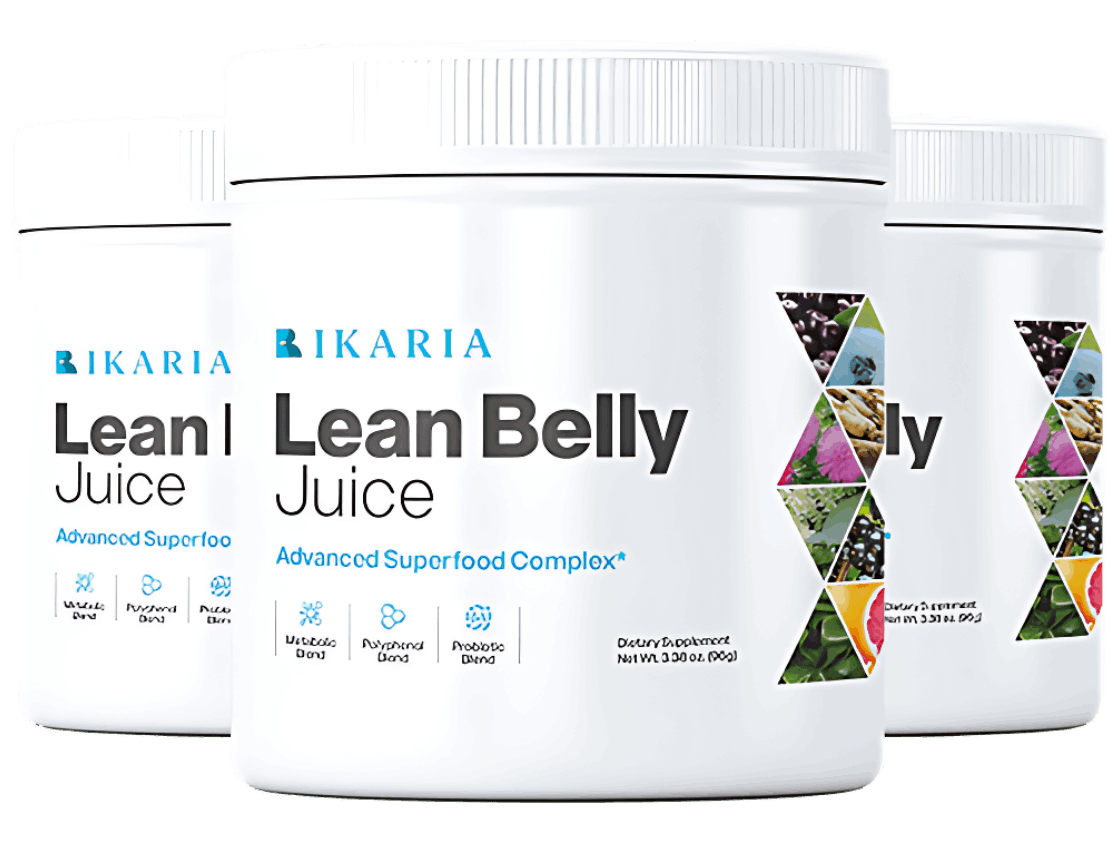
Ikaria Juice
Ikaria Lean Belly Juice brings together plant antioxidants from green tea, berries and beetroot with prebiotic inulin and probiotic cultures for digestive wellness. Inulin helps nourish beneficial gut bacteria; the fruit and green-tea extracts add an antioxidant-focused complement. A portion control eating pattern can be paired with its inulin-and-probiotic support for digestive balance as fiber intake changes.
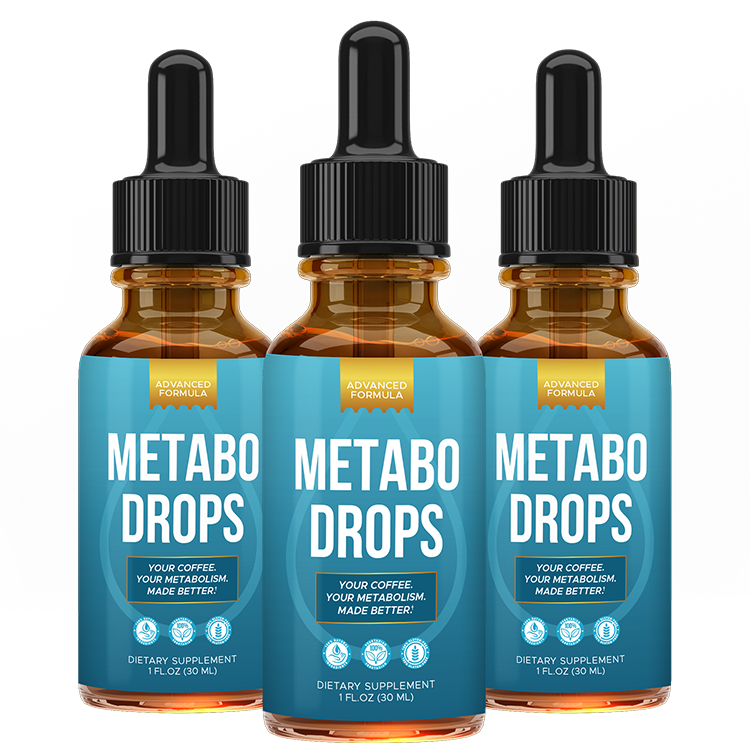
Metabo Drops
The Metabo Drops liquid blends green-tea compounds and coffee-derived chlorogenic acid with L-carnitine, chromium and calming-focus L-theanine. Its chromium and chlorogenic-acid combination targets everyday carbohydrate metabolism, while L-carnitine relates to cellular energy production. Alongside portion control, the coffee or tea format supplies chromium and botanical polyphenols while food remains the source of satiety and nutrients.
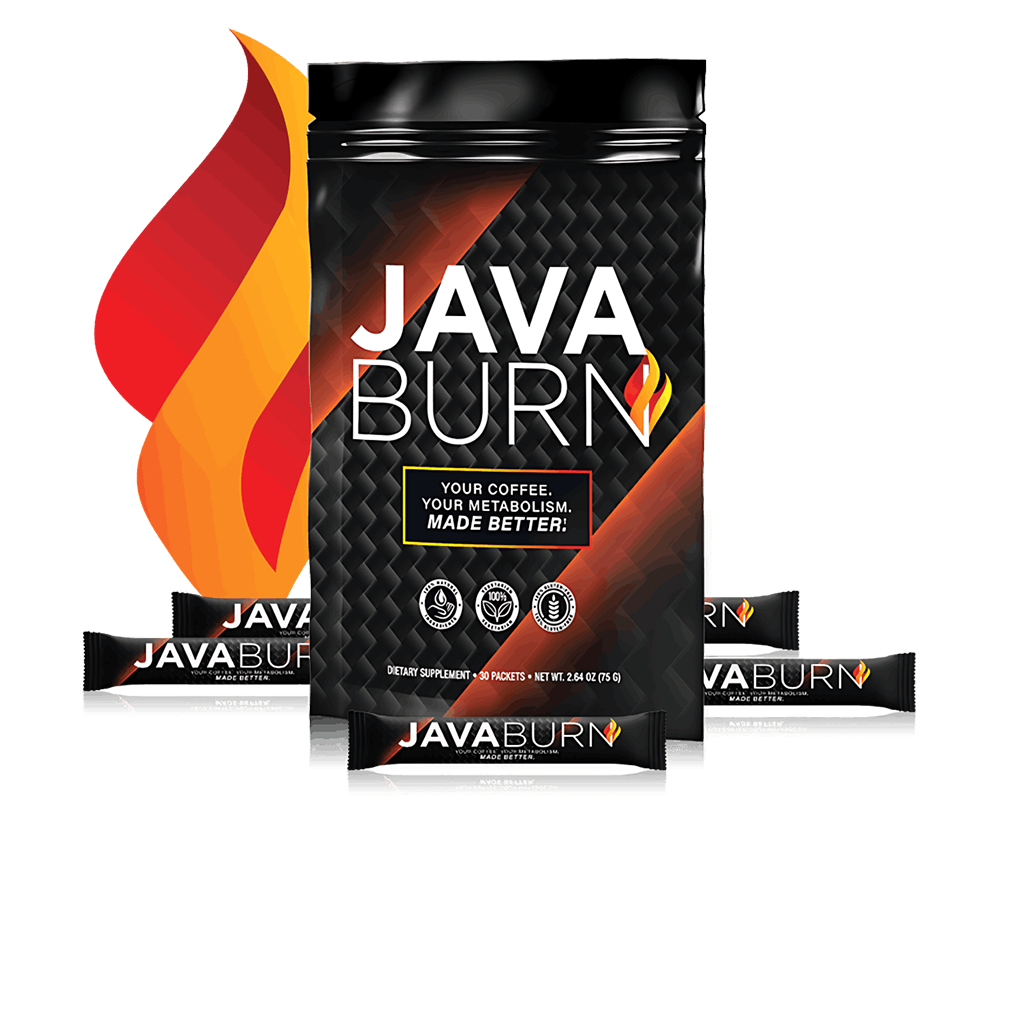
Java Burn
Java Burn uses a coffee-mix format to deliver green tea, chlorogenic acid, L-carnitine, chromium and vitamins B6 and B12 for nutritional metabolism and energy. The formula pairs a coffee-friendly metabolic blend with L-theanine for focus and B vitamins for normal energy-yielding metabolism. Alongside portion control, the coffee or tea format supplies chromium and botanical polyphenols while food remains the source of satiety and nutrients.
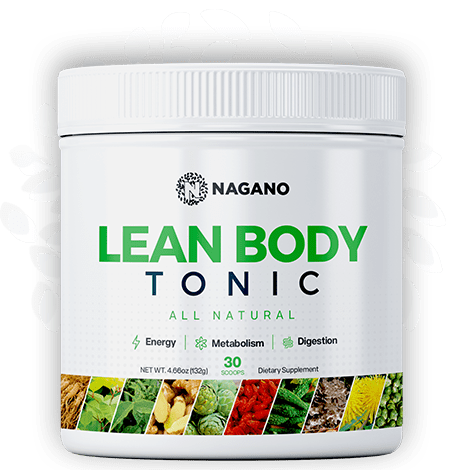
Nagano Tonic
Nagano Tonic is a powdered drink mix made with botanicals and nutrients including camu camu, green-tea EGCG, mangosteen, ginger and inulin. Its formula is promoted for daily metabolic, energy and digestive support; it is not a substitute for balanced nutrition or medical care. When comparing options alongside portion control, review the ingredient label and seller terms before ordering.
Frequently Asked Questions
Water can address thirst and may create a useful pause, but it should not be used to replace food when you are hungry. Persistent cravings usually require examining meal adequacy, triggers, sleep, and habits.
Not necessarily. Planned portions in a structured setting can reduce the all-or-nothing cycle for many people. If a food reliably triggers loss-of-control eating, discuss a personalized strategy with an eating-disorder-informed professional. The food itself should provide meaningful protein and fiber, not only a low calorie count.
Insufficient sleep can affect appetite, energy, and food decision-making. A consistent sleep schedule may help, but sudden or severe appetite changes still warrant medical assessment.